Find food near you

Hunger is a Policy Choice: What Food Pantries in Oregon Are Seeing

Hunger is a policy choice. This is what it looks like.

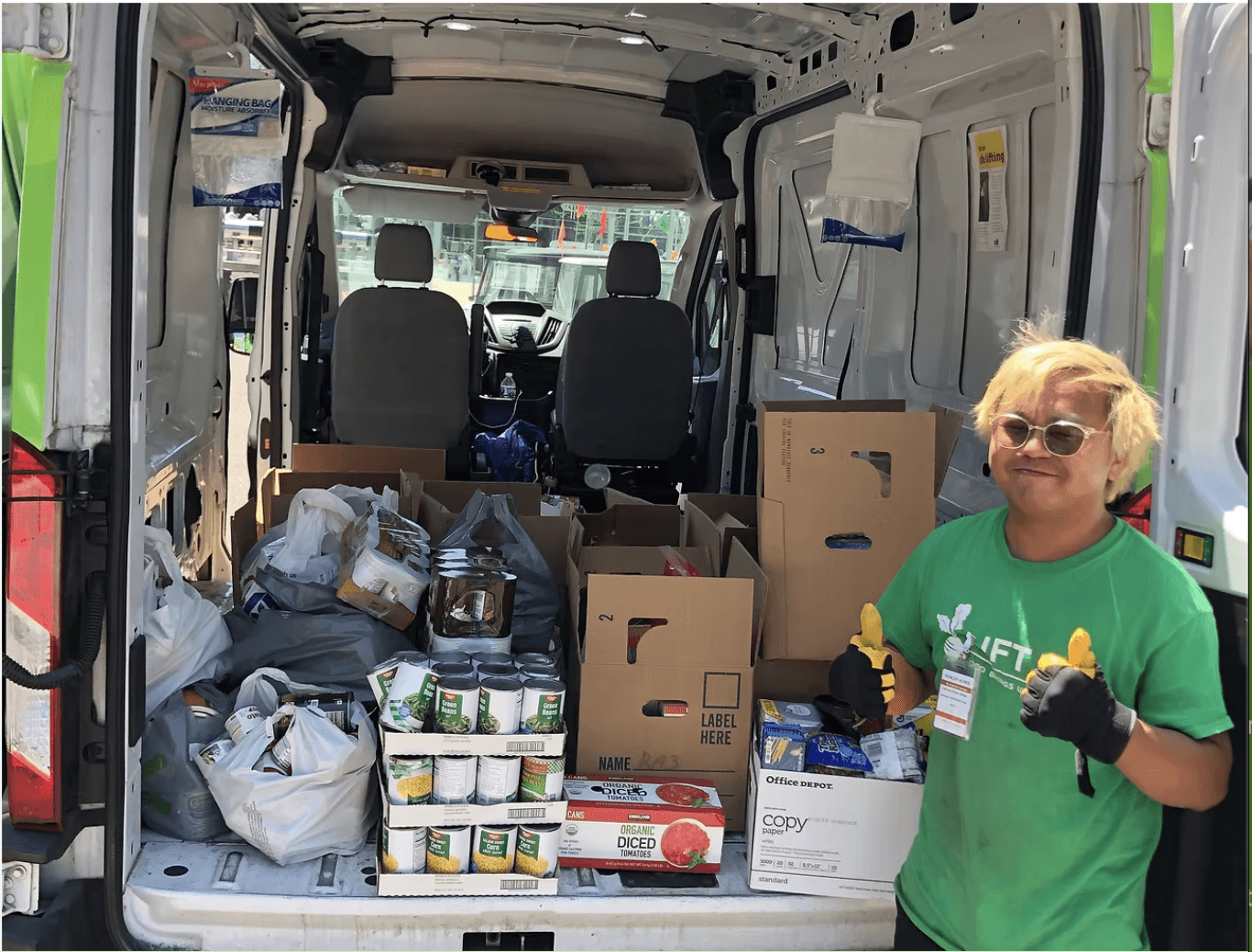
At Lift Urban Portland, the rhythm has changed. What was once on and off is now in constant motion. More people arrive each week looking for groceries to feed their families. More stories of rent hikes, job loss and cut-off benefits. The team does what it can, but the math keeps shifting. What comes in never quite adds up to what is needed.

“We used to serve about 60 folks a day,” said Lift UP Executive Director Stephanie Barr. “Now we’re at 100.”

The demand is staggering. Surging need has pushed the local food pantry in Portland beyond what its current space, staff and supply chains were designed to handle. “We’ve stretched to our maximum capacity and maybe beyond what’s actually sustainable,” Stephanie said. And the pressure is rising again, fueled by federal decisions that are cutting food assistance and weakening the safety net families rely on.

At the heart of these changes is the Republican budget bill, also called H.R. 1 or “One Big Beautiful Bill Act,” a name that feels bitterly ironic to many doing the work on the ground.

The new law adds complex rules and paperwork traps to the Supplemental Nutrition Assistance Program. These cuts will affect 750,000 Oregonians. More than 90,000will lose food assistance entirely or be left without the means for basic groceries. About 62,000 of those affected are older adults and parents of teenagers, now targeted by newly expanded eligibility restrictions. Another 2,900 people — refugees, asylees and others with humanitarian protections — are cut off from the program entirely.

“We're seeing more people come to us with acute hunger,” Stephanie said. “They're arriving not having eaten.” As she shared this, her voice caught and her eyes filled with tears. The emotional toll ripples through staff and volunteers too. “This work is already hard. And when you start having to ask what’s the most ethical and dignified way to say we don’t have enough, that’s heartbreaking.

What’s happening at Lift UP is not isolated. Across Oregon, food pantries are seeing longer lines, rising pressure on volunteers and families navigating shrinking support. Oregon Food Bank’s network is feeling the strain, with higher demand and fewer resources.

Oregon Food Bank’s strategic response to this moment includes building stronger ties with local agricultural producers — making sure families have access to fresh, nutrient-dense foods while strengthening Oregon’s food system for the long term. These partnerships are a vital source of hope. They demonstrate how, even in the face of hostile policies, we are finding ways to care for one another and continue to nourish communities.

In the fields of Cornelius, that commitment comes to life at Unger Century Berry Farms. For more than a century, the Unger family has grown berries on this land, and they donate tens of thousands of pounds of fruit to Oregon Food Bank each season.

For Katie Bolton, president of Unger Farms, giving back is simply part of being rooted in place: “We live here. We work here. It’s common sense that we take care of each other.”

Katie recalls the joy of a little girl who lit up when she received a half-flat of strawberries. “Those are the stories you love to see,” she said. “When a child gets that excited about produce, you remember why this matters.

It’s why Oregon Food Bank continues working with pantry leaders like Stephanie, farmers like Katie and thousands of others responding with care and urgency. Whether it is sourcing from local producers, supporting peer food security organizations or distributing fresh produce through networks across the state, the work is moving forward.

None of it is easy. And none of it happens without strong community support. Donors make this possible. By giving generously, they help Oregon Food Bank meet the growing need, strengthen local programs and fuel the movement to build a more just food system — one where everyone in Oregon has access to the food we need.

“This is hard,” Stephanie said. “But we are not giving up. If we wait for someone else to fix this, we will be waiting too long. We are choosing to act. Because food is a human right. And people are counting on us.”

Learn more about Lift UP

Learn more about Unger Farms

Related posts

Community Voices

How Oregon Food Bank showed up for families in 2025

Community Voices

From the Field: 2025 Power Summit

Community Voices

Everyone should be able to put food on the table: Single Mom and Anti-hunger Advocate

Email sign-up

Stay connected

Sign up to receive emails with updates, resources and ways to get involved.